
Pigmentation Products
-
Glycolic Acid Toner 7% Toning Solution 250ml -
Skin Brightening Cleanser | Kojic Acid, Alpha Arbutin & Vitamin E 237ML -
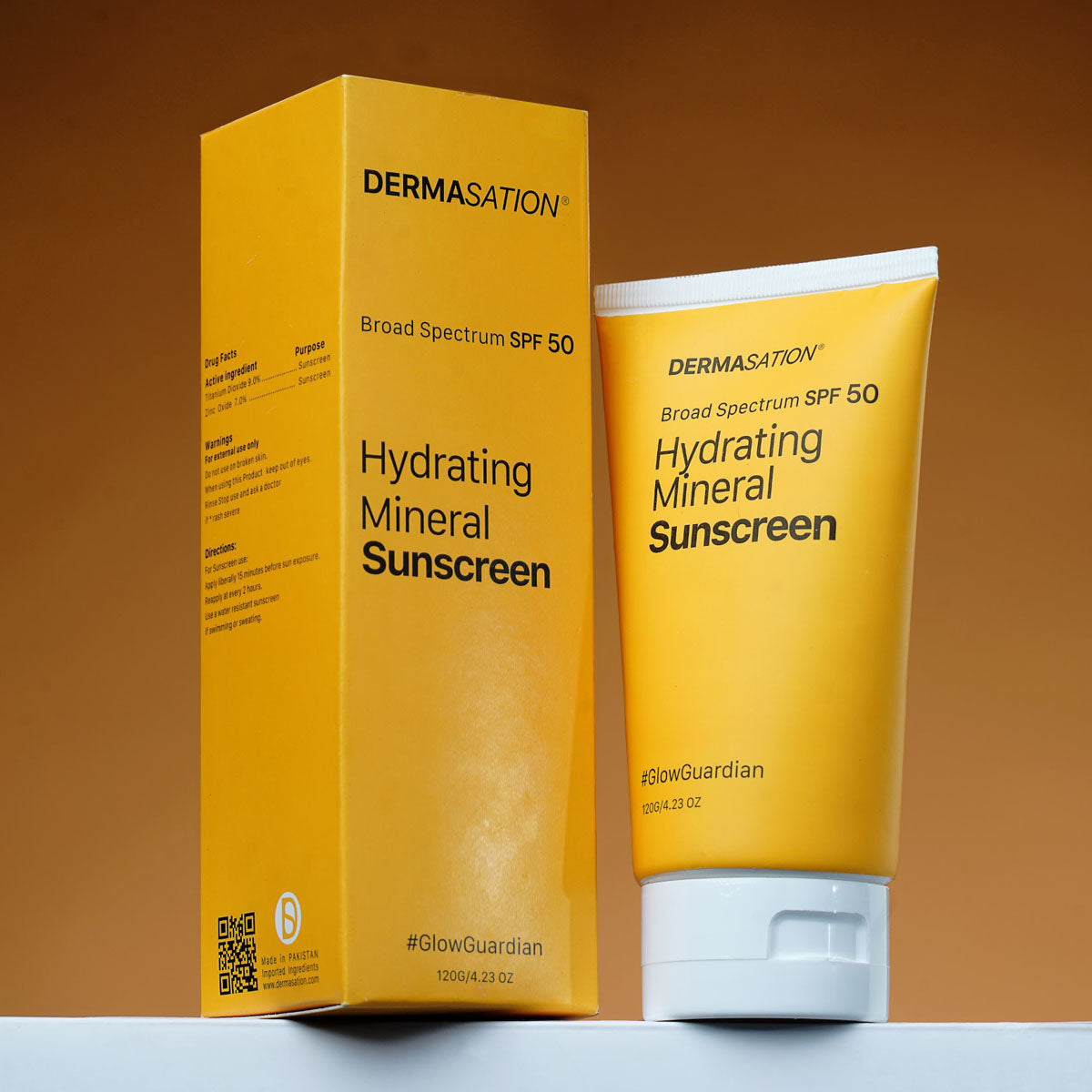
Hydrating Sunscreen SPF 50 | Broad-Spectrum 120ML -
Hydrating Sunscreen SPF 70 | Broad-Spectrum 120ML -
Skin Brightening Bundle | Glycolic Acid 7% Toner + Skin Brightening Cleanser -
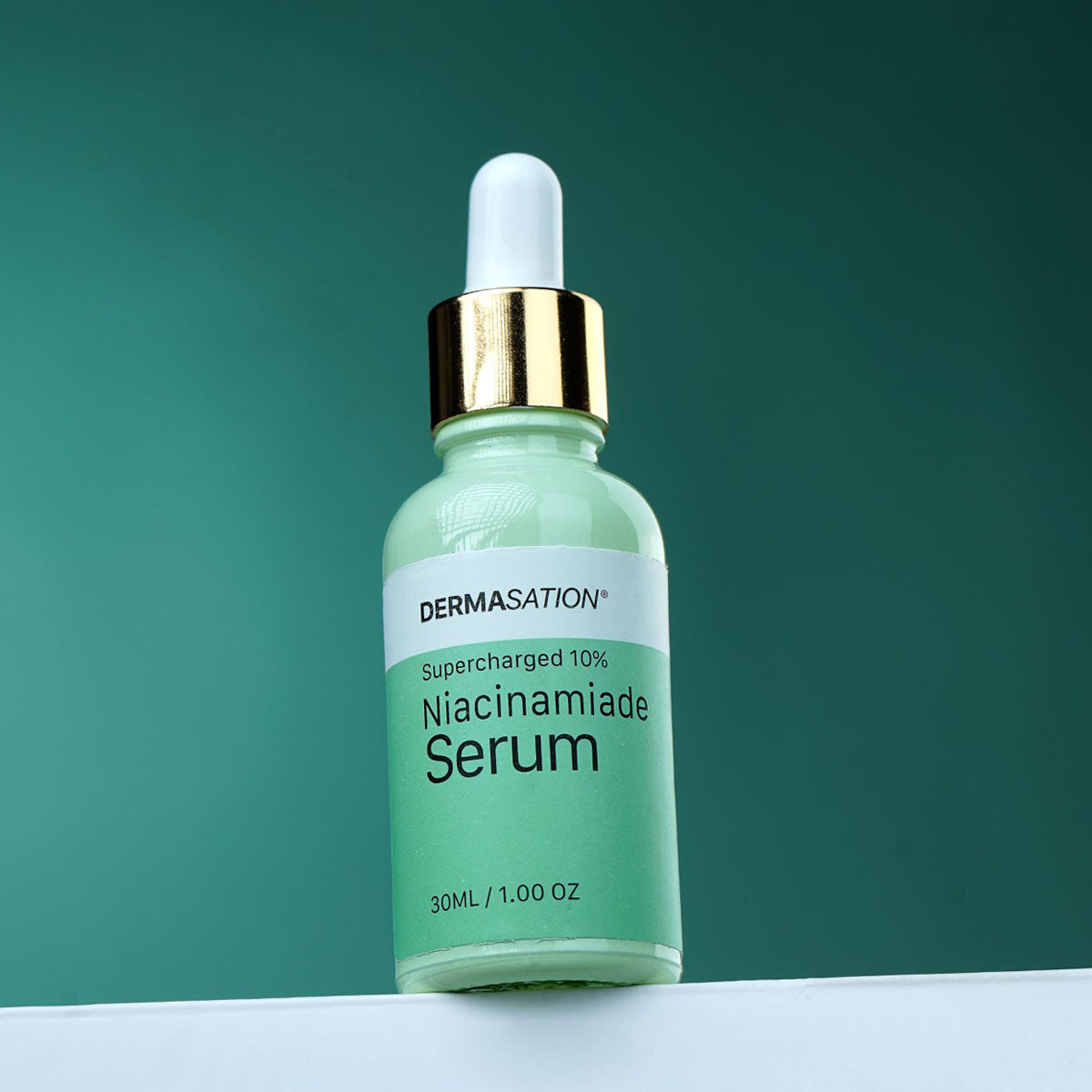
Super Charged 10% Niacinamide Serum | For Oily Skin & Pores 30ML -
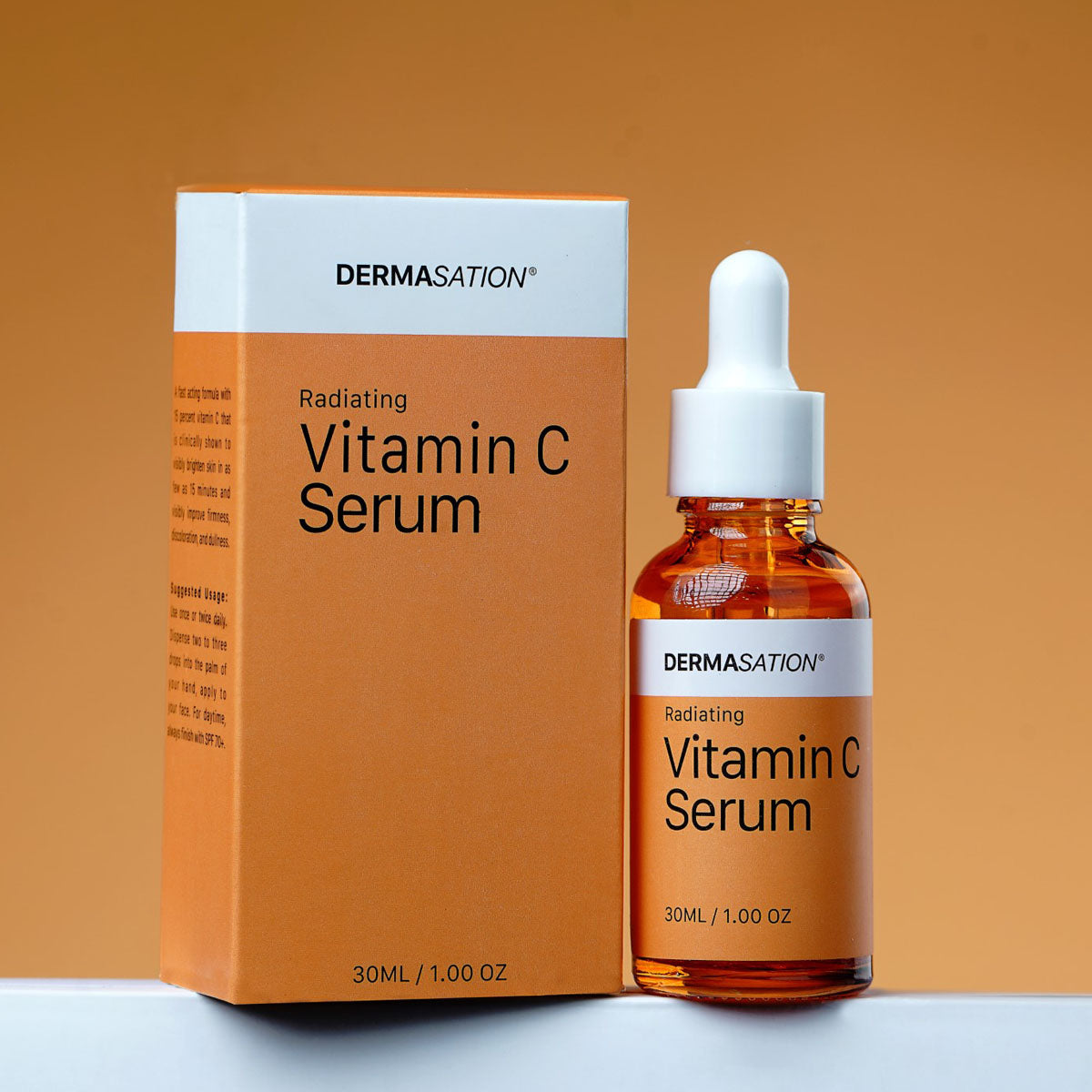
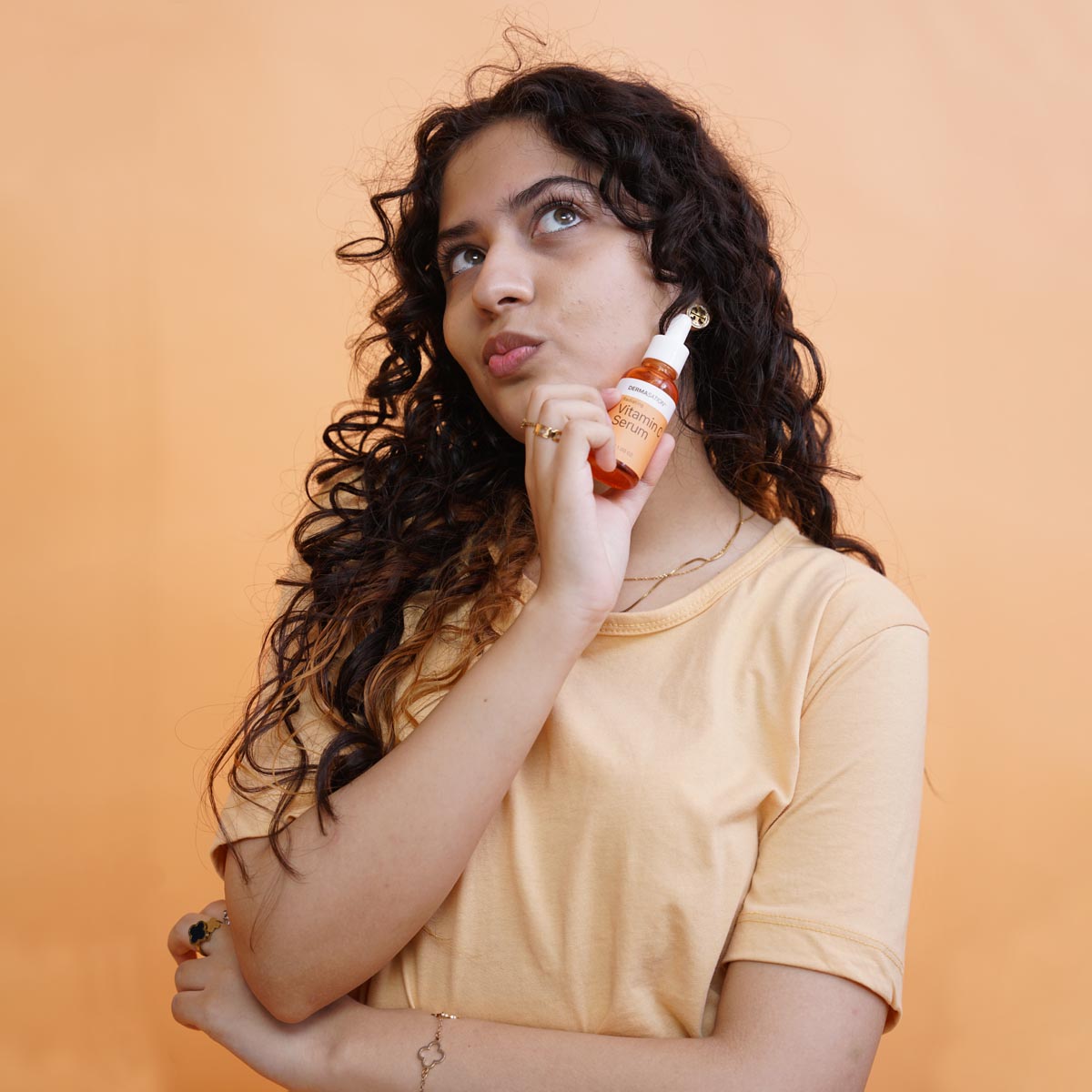
Radiating Vitamin C Serum | 5% Brightening Serum 30ML






Cash on deliveryPay when it arrives
Free shippingOn orders over Rs. 2,000
Fast delivery2–4 working days in major cities
14-day money-backIf it doesn't suit your skin
Buying guide
About Pigmentation Products
Patches of darker skin, marks left after acne, or brown spots that get worse every summer? That's pigmentation, and it's one of the most common skin concerns in Pakistan, where strong sun is a year-round problem.
The best products for pigmentation work in two ways: they clear the darker cells already on the surface, and they slow new pigment from forming. This Dermasation collection brings together pigmentation products that do both, with cash on delivery to Lahore, Karachi, Islamabad, Rawalpindi, Faisalabad and every other city in Pakistan.
Types of Pigmentation
|
Type |
What it looks like |
Common cause |
|
Post-acne marks |
Flat brown or red spots where pimples were |
Inflammation after breakouts |
|
Sun spots |
Small brown spots on cheeks, nose and forehead |
Years of sun exposure |
|
Uneven, patchy tone |
Darker patches across the face |
Sun, heat and irritation |
|
Melasma |
Larger, symmetrical patches on cheeks and upper lip |
Hormones, made worse by sun and heat |
How Pigmentation Forms and How to Fade It
Pigmentation forms in two stages:
1. Your skin makes extra melanin (pigment) deep in the skin.
2. That pigment moves up and sits in the surface cells, where you see it as a dark spot.
Most brightening products only slow stage 1. That stops new spots forming, but the marks already on your face stay put. That's why one product alone often stops working after a few weeks.
The best skin products for pigmentation work on both stages: an exfoliating acid clears the darker surface cells, and brightening actives slow new pigment. Together, they make a real difference.
Find the Right Product for Your Pigmentation
|
If you want… |
Start with |
|
To fade existing dark marks |
Glycolic Acid Toner 7%, 2–4 evenings a week |
|
To stop new spots forming |
Vitamin C Serum or Niacinamide Serum, every morning |
|
A brightening face wash |
Skin Brightening Cleanser |
|
The strongest combination |
Skin Brightening Bundle (toner + cleanser) |
|
To protect your results |
SPF 50 or SPF 70, every single morning |
The Best Products for Pigmentation
1. Clear existing marks
Glycolic Acid Toner 7%: the core product for pigmentation. It loosens the darker dead cells on the surface so they shed, revealing fresher skin. Fragrance-free. Use 2–4 evenings a week.
2. Slow new pigment
-
5% Vitamin C Serum: helps slow melanin production and protects against the sun damage that triggers it. Use every morning under sunscreen.
-
10% Niacinamide Serum: stops pigment from moving up to the surface. The gentlest choice if vitamin C irritates your skin.
3. Brighten as you cleanse
Skin Brightening Cleanser: a face wash with kojic acid and alpha arbutin, which both help slow pigment production. It supports your routine, while the toner and serums do the main work.
4. Protect every day
Hydrating Sunscreen SPF 50 for daily use, or SPF 70 for long hours outdoors. Broad-spectrum protection with minimal white cast on South Asian skin.
Best value
Skin Brightening Bundle: the Glycolic Acid Toner and Skin Brightening Cleanser together, covering both stages of pigmentation.
Your Pigmentation Routine
-
Morning: Skin Brightening Cleanser, Vitamin C or Niacinamide Serum, moisturizer, SPF 50
-
2–4 evenings a week: cleanser, Glycolic Acid Toner, wait a few minutes, moisturizer
-
Other evenings: cleanser, moisturizer
Start the toner at 2 evenings a week and build up over a month. Irritated skin makes more pigment, not less, so going slowly helps.
Sunscreen Is Not Optional
The Sun is the main trigger for pigmentation. It darkens spots faster than any product can fade them. Glycolic acid also makes skin more sensitive to the sun for a few days after use. Without daily SPF, you fade pigment at night and create more of it the next day.
What to Expect
-
Weeks 1–2: smoother texture and brighter overall tone
-
Weeks 4–6: surface marks start to lighten
-
Weeks 8–12: clear fading of dark spots and post-acne marks
-
Month 4 onward: deeper pigmentation and melasma slowly improve
Pigmentation is the slowest skin concern to change. Anything promising results in a week is only working on the surface.
Why Choose Dermasation for Pigmentation?
-
Clear, named actives: glycolic acid, kojic acid, alpha arbutin, vitamin C and niacinamide
-
Brightening, not bleaching: no whitening claims or harsh ingredients
-
Broad-spectrum sunscreens made for Pakistan's strong sun
-
Cash on delivery nationwide
Frequently Asked Questions
What is the best product for pigmentation?
For most people, a glycolic acid toner at night plus a vitamin C or niacinamide serum in the morning, with daily SPF 50. The toner clears existing marks and the serum slows new pigment.
What are the best skin products for pigmentation on the face?
A 7% glycolic acid toner, a brightening serum, a gentle brightening face wash and a broad-spectrum sunscreen. Use them together for the best results.
Does glycolic acid help with pigmentation?
Yes. It clears the darker surface cells that most brightening products don't touch. Pair it with daily sunscreen or results won't last.
Can I use glycolic acid and vitamin C together?
Not at the same time. Use vitamin C in the morning and glycolic acid at night.
How long does pigmentation take to fade?
Surface marks start to lighten in 4–6 weeks. Deeper pigmentation and melasma take months and need daily sun protection.
Will pigmentation come back?
It can, if you stop wearing sunscreen. Keeping marks faded is mainly about daily SPF.
What about melasma?
Melasma is linked to hormones and made worse by sun and heat. These products help, but it's more stubborn than other pigmentation. Persistent cases are worth discussing with a dermatologist.