Acne Marks Won't Fade? How Glycolic Acid Helps

The pimple healed weeks ago, but the mark it left is still there. A brown or reddish spot that makeup only half covers, and every new breakout seems to leave another one behind. Acne marks can stay for months, and they're often more frustrating than the pimples themselves.
The good news is that most of these marks are flat pigment, not true scars, and they can fade. Glycolic acid is one of the most effective ingredients to help speed that up. Here's how it works, how to use it and what to expect.
Acne Marks vs Acne Scars: Know the Difference
Before you start, it helps to know what you're treating.
|
Acne marks |
Acne scars |
|
|
What they look like |
Flat brown, red or purple spots |
Raised bumps or dips in the skin |
|
Cause |
Extra pigment or redness left after inflammation |
Damage to the deeper skin structure |
|
Do they fade? |
Yes, over weeks to months |
Not on their own |
|
Can glycolic acid help? |
Yes |
Only slightly with texture; needs a dermatologist |
If your marks are flat and you can't feel them when you run your finger over them, they're marks, and glycolic acid can help. Many people search for glycolic acid toner for acne scars when what they actually have are these flat marks, which respond well to regular exfoliation.
Why Acne Marks Take So Long to Fade
When a pimple becomes inflamed, your skin produces extra melanin as part of healing. That pigment sits in skin cells near the surface. As those cells naturally shed, the mark fades.
The problem is that this shedding can be slow. And a few habits slow it down even more:
-
Picking or squeezing pimples, which deepens the mark
-
Sun exposure, which darkens the pigment
-
Dead skin buildup, which holds the darker cells in place
-
Harsh scrubbing, which inflames skin and creates more pigment
How Glycolic Acid Helps Fade Acne Marks
Glycolic acid is an AHA, or alpha hydroxy acid. It loosens the bonds between dead skin cells so they shed more easily. For acne marks, that means the darker, pigmented cells move out faster, and fresher, more even skin takes their place.
Regular use can help:
-
Lighten brown and red post-acne marks
-
Even out patchy skin tone
-
Smooth the rough texture often left after breakouts
-
Keep pores clearer, so fewer new pimples form
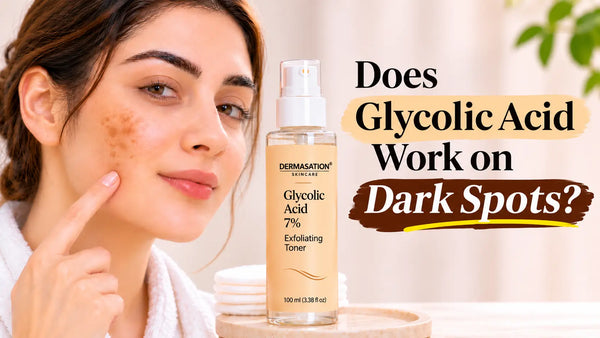
Acne marks work much like other dark spots, which is why the same approach helps both. If you also have sun spots, read can glycolic acid really fade dark spots.
How to Use Glycolic Acid for Acne Marks
-
Use it in the evening, after cleansing.
-
Pat your skin completely dry.
-
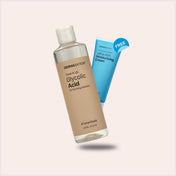
Apply a glycolic acid toner with a cotton pad, focusing on areas with marks.
-
Avoid your eyes, lips and any open or active pimples.
-
Leave it on. Don't rinse.
-
Wait 3–5 minutes, then moisturize.
-
Wear SPF 50 every morning.
How often
|
Time |
How often |
|
Weeks 1–2 |
2 evenings a week |
|
Weeks 3–4 |
3 evenings a week, if your skin feels fine |
|
After that |
Up to 3–4 evenings a week |
More isn't better. Irritated skin can create more pigment, which makes marks worse. For a full walkthrough, see how to use glycolic acid on your face.
Boost Results With Niacinamide
Glycolic acid clears darker cells from the surface. Niacinamide works from a different angle: it helps reduce how much pigment moves up to the surface, and it calms the redness around fresh marks.
Using both gives you a stronger approach:
|
Time |
Routine |
|
Morning |
Cleanser, niacinamide serum, moisturizer, SPF 50 |
|
2–4 evenings a week |
Cleanser, glycolic acid toner, wait, moisturizer |
|
Other evenings |
Cleanser, niacinamide serum, moisturizer |
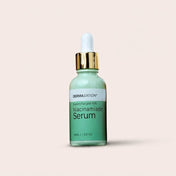
A 10% niacinamide serum is a good partner for fading marks and keeping oil in check.
What If You Still Get Breakouts?
Fading marks is easier when new pimples stop forming. If you still have active breakouts, treat them alongside your glycolic acid routine. A salicylic acid face wash works inside the pores and pairs well with glycolic acid. Browse our acne products for a complete routine.
Sunscreen Is the Most Important Step
Sun darkens acne marks and can undo weeks of progress in a few days. Glycolic acid also makes fresh skin more sensitive to UV.
Wear a broad-spectrum SPF 50 every morning, even on cloudy days, and reapply if you're outdoors for long. Without it, marks fade at night and darken again during the day.
Is It Purging or Irritation?
Some people get a few extra pimples in the first weeks. This is often purging, when clogs that were already forming come to the surface faster. It usually appears where you normally break out and settles within 4–6 weeks.
How Long Does It Take to Fade Acne Marks?
|
Time |
What you'll notice |
|
Weeks 1–2 |
Smoother, brighter skin overall |
|
Weeks 3–4 |
Newer marks begin to lighten |
|
Weeks 6–8 |
Most flat marks look noticeably lighter |
|
Weeks 8–12 |
A clearer, more even skin tone |
Older or darker marks take longer. Red marks often fade faster than brown ones.
When to See a Dermatologist
See a dermatologist if:
-
Your marks are raised or pitted (true scars)
-
You have painful, deep or cystic acne
-
Marks don't improve after three months of steady care
-
Your skin reacts badly to exfoliating acids
For larger patches or melasma, see a dermatologist, as these usually need more than a toner.
The Bottom Line
Flat acne marks can fade, and glycolic acid is one of the best tools to help. Use it a few evenings a week, pair it with niacinamide, moisturize every time and wear sunscreen daily.
Be patient, stop picking and stay consistent. In two to three months, those leftover marks will be much harder to spot.
Frequently Asked Questions
Does glycolic acid remove acne marks?
It helps fade flat acne marks by speeding up how fast darker surface cells shed. Results build over 6–12 weeks.
Can glycolic acid remove acne scars?
Not deep or pitted scars. Those need treatment from a dermatologist. Glycolic acid can slightly improve surface texture.
How long does glycolic acid take to fade acne marks?
Newer marks often start lightening in 3–4 weeks, with noticeable change by 6–8 weeks.
Can I use glycolic acid on active pimples?
Avoid open or inflamed pimples. Apply around them and treat breakouts with a salicylic acid face wash.
Can I use glycolic acid with niacinamide?
Yes. Use niacinamide in the morning, or after the toner at night.
Why are my acne marks getting darker?
Usually sun exposure or picking. Wear SPF 50 daily and keep your hands off your skin.