Glycolic Acid Benefits for Skin: A Guide by Skin Concern

Glycolic acid is often called a "do-it-all" ingredient. People use it for dull skin, dark spots, rough patches, pores and even fine lines. But what can it really do, and is it right for your particular skin concern?
This guide gives you a quick, honest look at the main benefits of glycolic acid, concern by concern. For each one, you'll find what to expect and a link to a detailed guide when you want to go deeper.
How Glycolic Acid Works
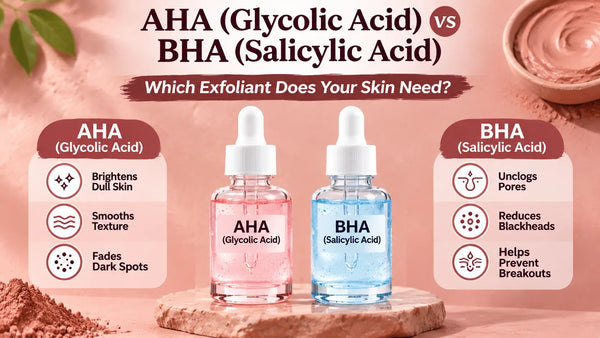
Glycolic acid is an AHA, or alpha hydroxy acid. It loosens the bonds that hold dead skin cells together on the surface of your skin, so they shed more easily. That reveals fresher, smoother skin underneath.
Almost every benefit below comes from this one action: helping your skin renew its surface faster and more evenly. For the full science, read our complete guide to glycolic acid.
Benefits at a Glance
|
Skin concern |
How glycolic acid helps |
Time to see results |
|
Dull skin |
Clears the dull top layer for a fresh glow |
1–2 weeks |
|
Rough texture |
Smooths bumps and uneven patches |
2–4 weeks |
|
Open pores |
Clears buildup so pores look smaller |
4–8 weeks |
|
Acne marks |
Helps flat post-acne marks fade |
6–12 weeks |
|
Dark spots and pigmentation |
Speeds up shedding of darker cells |
8–12 weeks |
|
Fine lines |
Softens the look of fine lines over time |
8–12 weeks or more |
1. Dull, Tired Skin
When dead cells build up, skin stops reflecting light evenly and looks flat or gray. Glycolic acid clears that layer, so your natural glow comes through. This is usually the first benefit people notice, often within the first couple of weeks.
2. Rough or Bumpy Texture
Small bumps and rough patches are often caused by dead skin buildup. As glycolic acid helps those cells shed, skin feels softer and looks more even. Many people notice smoother skin after just a few uses.
3. Open Pores
Pores look bigger when oil and dead skin fill and stretch them. Glycolic acid clears the buildup and smooths the skin around each pore, so pores look smaller and more refined. It can't change pore size permanently, but the visible difference can be significant.
4. Acne Marks
Flat brown or red marks left after pimples are extra pigment sitting near the surface. Glycolic acid helps those darker cells shed faster, so marks fade over time. It works on flat marks, not raised or pitted scars, which need a dermatologist.
5. Dark Spots and Pigmentation
Sun spots and patchy pigment also sit in the upper layers of skin. Glycolic acid helps them fade gradually, especially when paired with daily sunscreen.
6. Fine Lines
By supporting healthy skin renewal, glycolic acid can soften the look of fine lines over time. Results are gradual and work best with good hydration and sun protection. Deeper wrinkles usually need stronger treatments.
Bonus Benefit: Your Other Products Work Better
When dead skin builds up, serums and moisturizers struggle to absorb. After regular exfoliation, they reach your skin more easily, so the products you already use can work better.
Which Skin Types Benefit Most?
|
Skin type |
Main benefits |
Tip |
|
Oily |
Clearer pores, smoother texture |
2–4 evenings a week |
|
Combination |
Smoother T-zone, brighter cheeks |
2–3 evenings a week |
|
Normal |
Glow and even tone |
2–3 evenings a week |
|
Dry |
Removes flaky buildup |
Once or twice a week, with a rich moisturizer |
|
Sensitive |
Gentle glow, if tolerated |
Patch test first; start once a week |
How to Get These Benefits
-
Use it in the evening, after cleansing.
-
Apply a glycolic acid toner with a cotton pad to dry skin, avoiding the eyes and lips.
-
Leave it on. Don't rinse.
-
Wait 3–5 minutes, then moisturize.
-
Wear SPF 50 every morning.
Start with two evenings a week and build up to three or four if your skin feels comfortable.
What Glycolic Acid Can't Do
-
It won't change your natural skin color
-
It won't remove deep or pitted acne scars
-
It won't clear painful, cystic acne on its own
-
It won't work overnight
Honest expectations help you stick with it long enough to see real results.
Don't Forget Sunscreen
Glycolic acid reveals fresh skin, and fresh skin is more sensitive to the sun. Without daily SPF, dark spots can get darker and progress slows down. Sunscreen protects every benefit on this list.
The Bottom Line
Glycolic acid earns its reputation. From dull skin and rough texture to pores, marks and fine lines, it helps by doing one thing well: clearing away the old layer so fresher skin can come through.
Start slowly, use it a few evenings a week, moisturize and wear sunscreen every morning. Then dive into the detailed guide for your main skin concern.
Frequently Asked Questions
What are the main benefits of glycolic acid?
Brighter skin, smoother texture, clearer-looking pores, fading acne marks and dark spots, and softer-looking fine lines.
Which benefit will I notice first?
Usually a brighter, smoother look within one to two weeks.
Is glycolic acid good for all skin types?
Most skin types can use it. Dry and sensitive skin should start slowly and patch test first.
How long does it take to see results?
A glow in 1–2 weeks, smoother texture in 2–4 weeks, and fading marks in 6–12 weeks.
Can glycolic acid lighten skin?
It brightens and evens out skin tone, but it doesn't change your natural skin color.