What Percentage of Glycolic Acid Is Best For Skin?
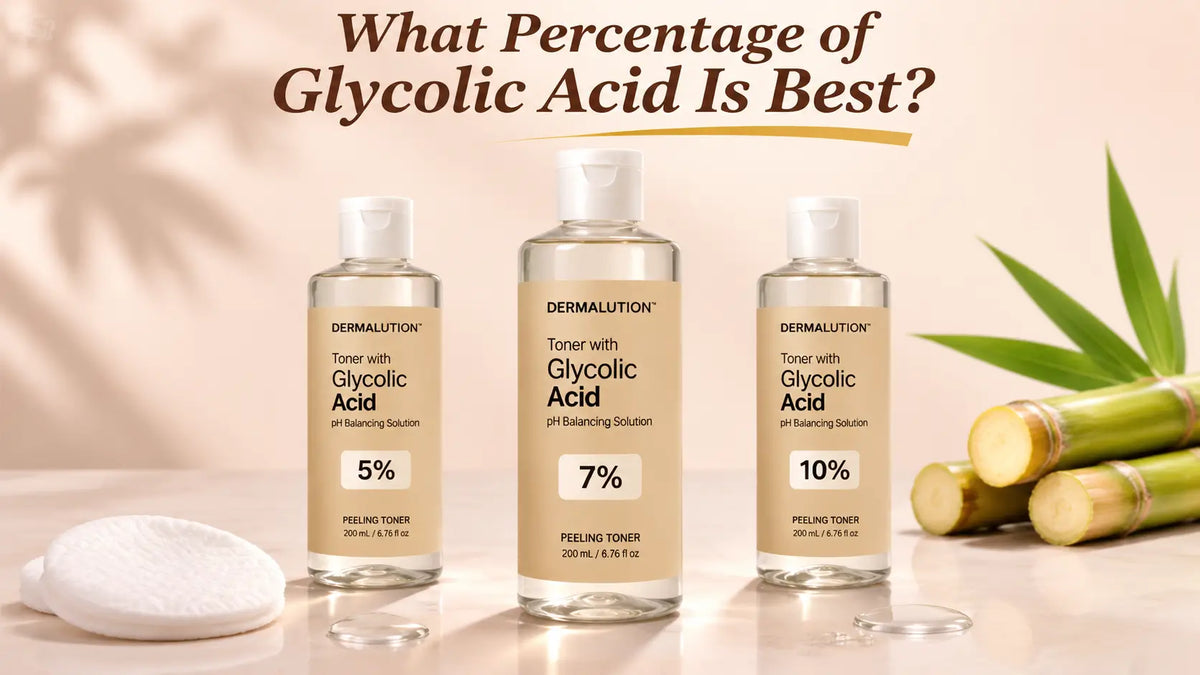
Glycolic acid products come in all sorts of strengths: 5%, 7%, 10%, even 30% and higher. It's natural to think the highest number must work best. But in skincare, stronger isn't always better. The right percentage is the one your skin can use regularly, without redness, stinging or peeling.
This guide explains what each strength does, which one suits your skin type, and how to tell if you've chosen well.
Quick Answer
For most people using it at home, around 7% is the best glycolic acid percentage. It's strong enough to brighten skin, smooth texture and fade marks, and gentle enough to use a few evenings a week.
-
Very sensitive skin or first-time users can start lower, around 5%
-
Experienced users with oily or thicker skin may move up to around 10%
-
Anything 20% and above is peel strength and belongs in a clinic
First, What Does Glycolic Acid Do?
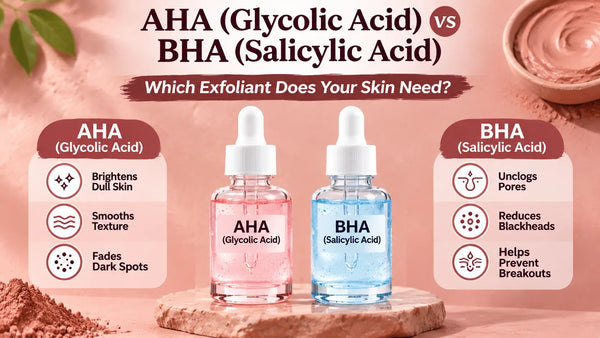
Glycolic acid is an AHA, or alpha hydroxy acid. It loosens the bonds that hold dead skin cells together on the surface of your skin, so they shed more easily. That reveals fresher, smoother and brighter skin underneath.
The percentage tells you how much glycolic acid is in the product. More acid usually means stronger exfoliation, but also a higher chance of irritation.
Glycolic Acid Strengths Explained
|
Percentage |
What it does |
Best for |
|
Below 5% |
Very mild exfoliation, slow results |
Very sensitive skin, complete beginners |
|
5–7% |
Gentle, visible exfoliation |
Regular home use, most skin types |
|
8–10% |
Stronger exfoliation, higher risk of irritation |
Experienced users, oily or thicker skin |
|
10–15% |
Strong; not for frequent use |
Experienced users, occasional use only |
|
20–70% |
Chemical peel strength |
Professional use in a clinic |
Why 7% Is the Sweet Spot for Most People
A 7% strength sits right in the middle. It's strong enough to make a visible difference, but gentle enough that most skin types can use it regularly.
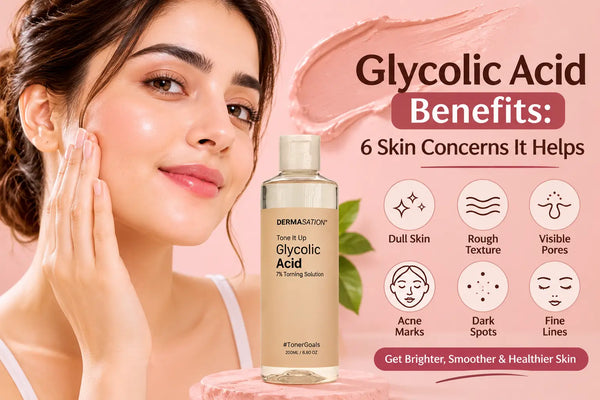
With steady use, a 7% strength can help:
-
Brighten dull, tired-looking skin
-
Smooth rough, bumpy texture
-
Fade dark spots and post-acne marks
-
Keep pores looking clearer
-
Help your serums and moisturizers absorb better
Many people find they never need to go higher. That's why our 7% glycolic acid toner is formulated at this strength: it's designed for regular use at home, not occasional peels.
Is a Higher Percentage Better?
Not necessarily. A higher percentage can work faster, but it also raises the risk of:
-
Stinging and burning
-
Redness that doesn't fade
-
Peeling and flaking
-
A damaged skin barrier
And irritated skin doesn't glow. In fact, irritation can trigger more pigment, which may make dark spots worse rather than better.
In most cases, a moderate strength used consistently gives better results than a high strength used once in a while.
Percentage Isn't the Only Thing That Matters
Two products with the same percentage can feel very different on your skin. That's because of:
-
pH: a lower pH makes the acid more active; a slightly higher pH makes it gentler
-
Formula type: a leave-on toner works longer than a wash-off cleanser
-
Soothing ingredients: aloe, rose water and similar ingredients help keep skin comfortable
-
How often you use it: 7% three times a week is very different from 7% every night
So when you compare products, look at the whole picture, not just the number on the label.
Which Percentage Is Right for Your Skin Type?
|
Skin type |
Recommended starting point |
How often |
|
Oily |
7% |
2–4 evenings a week |
|
Combination |
7% |
2–3 evenings a week |
|
Normal |
5–7% |
2–3 evenings a week |
|
Dry |
5–7% |
Once or twice a week, with a rich moisturizer |
|
Sensitive |
Below 5–7%, after a patch test |
Once a week to start |
|
First time using acids |
5–7% |
2 evenings a week |
How to Start Safely
Whatever percentage you choose, start slowly:
|
Time |
How often |
|
Weeks 1–2 |
2 evenings a week |
|
Weeks 3–4 |
3 evenings a week, if your skin feels fine |
|
After that |
Up to 3–4 evenings a week |
How to apply it:
-
Cleanse in the evening and pat your skin completely dry.
-
Apply with a cotton pad, avoiding the eyes and lips.
-
Leave it on. Don't rinse.
-
Wait 3–5 minutes, then moisturize.
-
Wear SPF 50 the next morning.
Signs Your Percentage Is Too High
-
Burning that lasts more than a minute
-
Redness that doesn't settle
-
Peeling or raw patches
-
Your usual products suddenly sting
If this happens, use it less often, focus on moisturizer for a few days, or switch to a lower strength.
Signs You've Got It Right
-
A light tingle for a few seconds, then nothing
-
Softer skin within the first week
-
A brighter look by week two
-
Smoother texture by weeks three to four
-
Dark marks fading over six to eight weeks
Keep Your Skin Hydrated
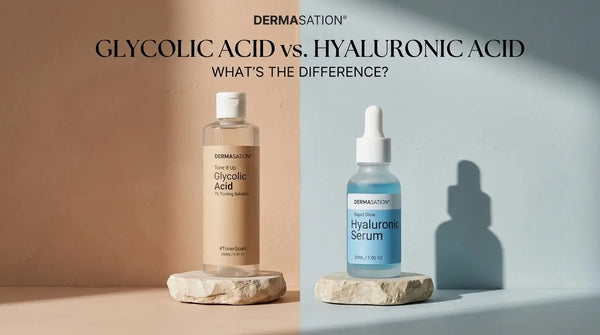
Exfoliating at any strength takes away some of your skin's protection for a while. Pairing glycolic acid with a hydrating ingredient helps keep skin comfortable. Hyaluronic acid is a great match: it adds moisture without interfering with exfoliation. Learn how they work together in our guide to glycolic acid vs hyaluronic acid.
Don't Forget Sunscreen
Whatever percentage you use, glycolic acid makes fresh skin more sensitive to the sun. Wear a broad-spectrum SPF 50 every morning, even on cloudy days. Without it, dark spots can get darker and your progress slows down.
Conclusion:
The best glycolic acid percentage isn't the highest one. It's the one your skin can use consistently without irritation. For most people, that's around 7%.
Start slowly, moisturize every time and wear sunscreen daily. Consistency, not strength, is what gives you smooth, bright, even skin.
Frequently Asked Questions
What percentage of glycolic acid is best for beginners?
Around 5–7%. Start with two evenings a week and build up slowly.
Is 7% glycolic acid strong?
It's a moderate strength. It gives visible results while staying gentle enough for regular home use.
Is 10% glycolic acid better than 7%?
Not always. It's stronger, but it also carries a higher risk of irritation. Many people get excellent results at 7%.
Can I use glycolic acid every day?
Most people shouldn't. Use it 2–4 evenings a week with rest nights in between.
What percentage of glycolic acid is used in peels?
Professional peels usually range from 20% to 70% and should only be done by a trained practitioner.
Which percentage is best for dark spots?
Around 7%, used consistently with daily sunscreen, is enough for most people to see marks fade over time.