




Cash on deliveryPay when it arrives
Free shippingOn orders over Rs. 2,000
Fast delivery2–4 working days in major cities
14-day money-backIf it doesn't suit your skin
Buying guide
About Ceramides
Ceramides aren't an active. They're what your skin barrier is actually made of — and replacing them is the difference between a moisturizer that works for an hour and one that works overnight. From Rs. 875.
What Ceramides Are
Your skin's outer layer works like brickwork: skin cells are the bricks, and a lipid mixture holds them together as mortar. Ceramides make up roughly half that mortar.
When ceramide levels are healthy, the barrier is sealed — water stays in, irritants stay out. When they're depleted, the mortar crumbles. Water escapes faster than skin can replace it, and things that never bothered you start to sting.
That's why depleted skin feels tight an hour after moisturising: the moisturizer added water, but nothing repaired the structure meant to hold it.
What Depletes Them
- Age — production declines steadily from your thirties
- Hot water — strips lipids faster than any cleanser
- Foaming cleansers — surfactants dissolve oil, including the oil holding your barrier together
- Over-cleansing — more than twice daily
- Exfoliating acids and retinol — which is exactly why barrier support isn't optional alongside them
- Sun exposure and dry air, including air conditioning
Most of that list describes a normal skincare routine, which is why ceramide replacement matters for people who are looking after their skin, not just those who aren't.
Why They're Paired With Hyaluronic Acid
Hyaluronic acid draws water into the skin. Ceramides stop it leaving.
Neither works well alone. A humectant with nothing sealing it evaporates within the hour; a sealed barrier with no water to hold does little. Every moisturizer here contains both.
Ceramide Moisturizers
All three share the same ceramide and hyaluronic acid base. Only the texture differs, matched to skin type.
| Texture | For | Price |
|---|---|---|
| Lightest lotion | Normal to oily | Rs. 2,000 |
| Daily lotion | All skin types, combination | Rs. 2,000 |
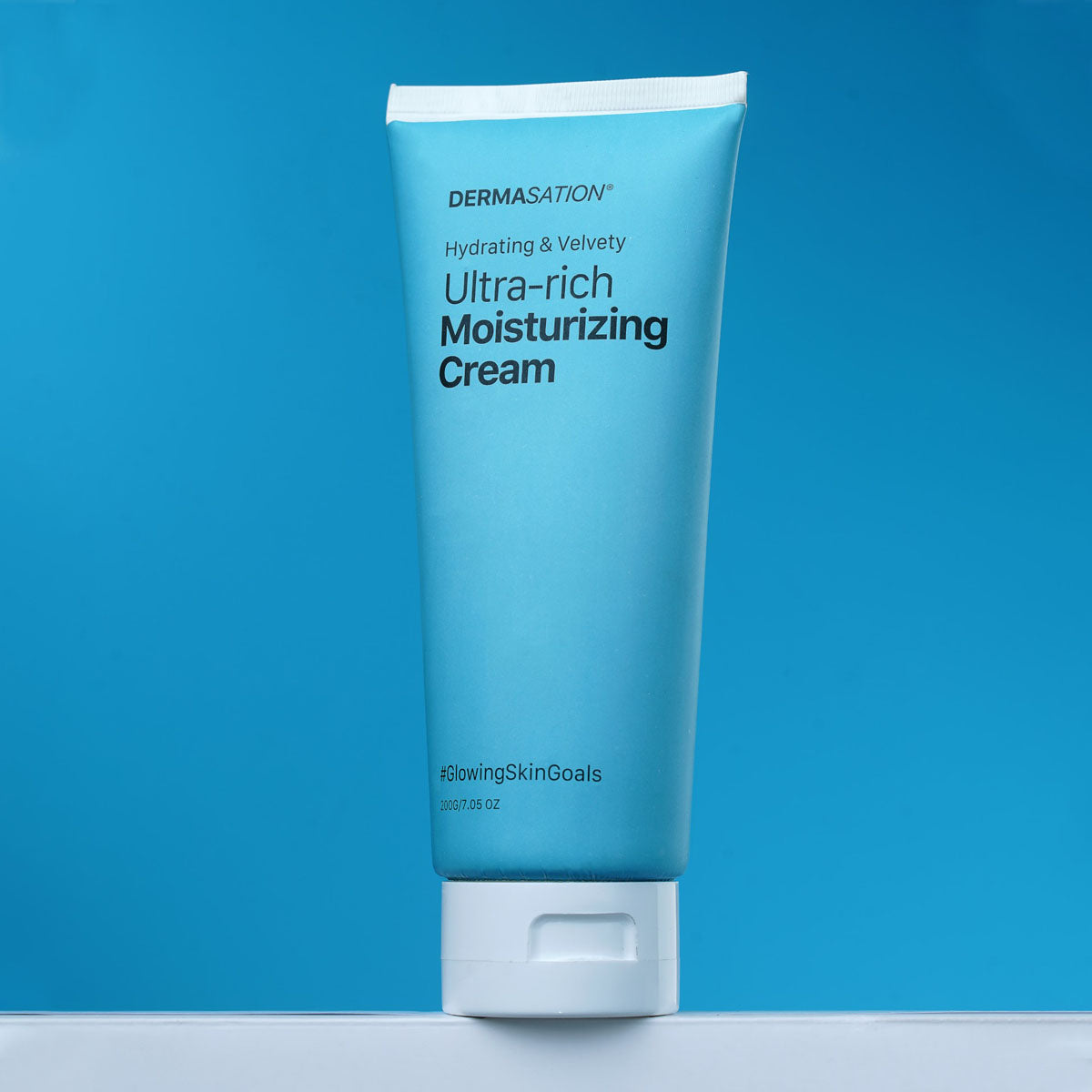
| Ultra Rich cream | Dry to very dry | Rs. 875 |
Ceramides are also in the Foaming Facial Cleanser — unusual in a face wash, and the reason it doesn't leave skin tight the way most foaming cleansers do.
Who Needs Them Most
- Anyone using actives. Glycolic acid, retinol and salicylic acid all deplete ceramides. Replacing them is what makes long-term use sustainable rather than something skin has to recover from.
- Dry skin — typically short of ceramides to begin with, so this addresses the cause rather than the symptom.
- Oily skin — depletes them faster than most through frequent cleansing and acne products, which is why oily skin often ends up greasy and irritated at the same time.
- Sensitive or reactive skin — reactivity is usually a barrier problem before it's an ingredient problem.
Frequently Asked Questions
What are ceramides?
Lipids that make up around half the material holding your skin barrier together. They keep water in and irritants out. Levels fall with age, sun exposure and over-cleansing.
What is a ceramide moisturizer?
One formulated with ceramides to replace what the barrier has lost, rather than only adding water on top. That's the difference between temporary hydration and repair.
Which ceramide moisturizer should I choose?
By texture, not ingredients — all three here share the same base. Oily skin takes the lightest lotion, combination the daily lotion, dry skin the Ultra Rich cream at Rs. 875.
Are ceramides good for oily skin?
Yes. Oily skin depletes ceramides quickly through frequent washing and acne actives, and a damaged barrier triggers more oil production, not less.
Can I use ceramides with retinol or acids?
Yes, and you should. Both deplete ceramides, so replacing them is what keeps those routines tolerable over months.
Do ceramides do anything for acne?
Indirectly but meaningfully. Acne-prone skin heals faster and breaks out less when the barrier is intact, and most acne routines strip it hard.
How long until I notice a difference?
Tightness and reactivity usually improve within one to two weeks. Barrier repair is one of the faster things to respond in skincare.