Moisturizer for Dry Skin: What to Look For and How to Use It
In shortDry skin lacks oil, dehydrated skin lacks water — and the fix is different. How to tell, what to look for, and the hyaluronic acid mistake.
If your skin feels tight again an hour after moisturising, you probably don't need more moisturizer. You need a different kind — and possibly a different diagnosis.
Dry or Dehydrated? They Are Not the Same
This is the distinction that decides everything else, and most people get it wrong.
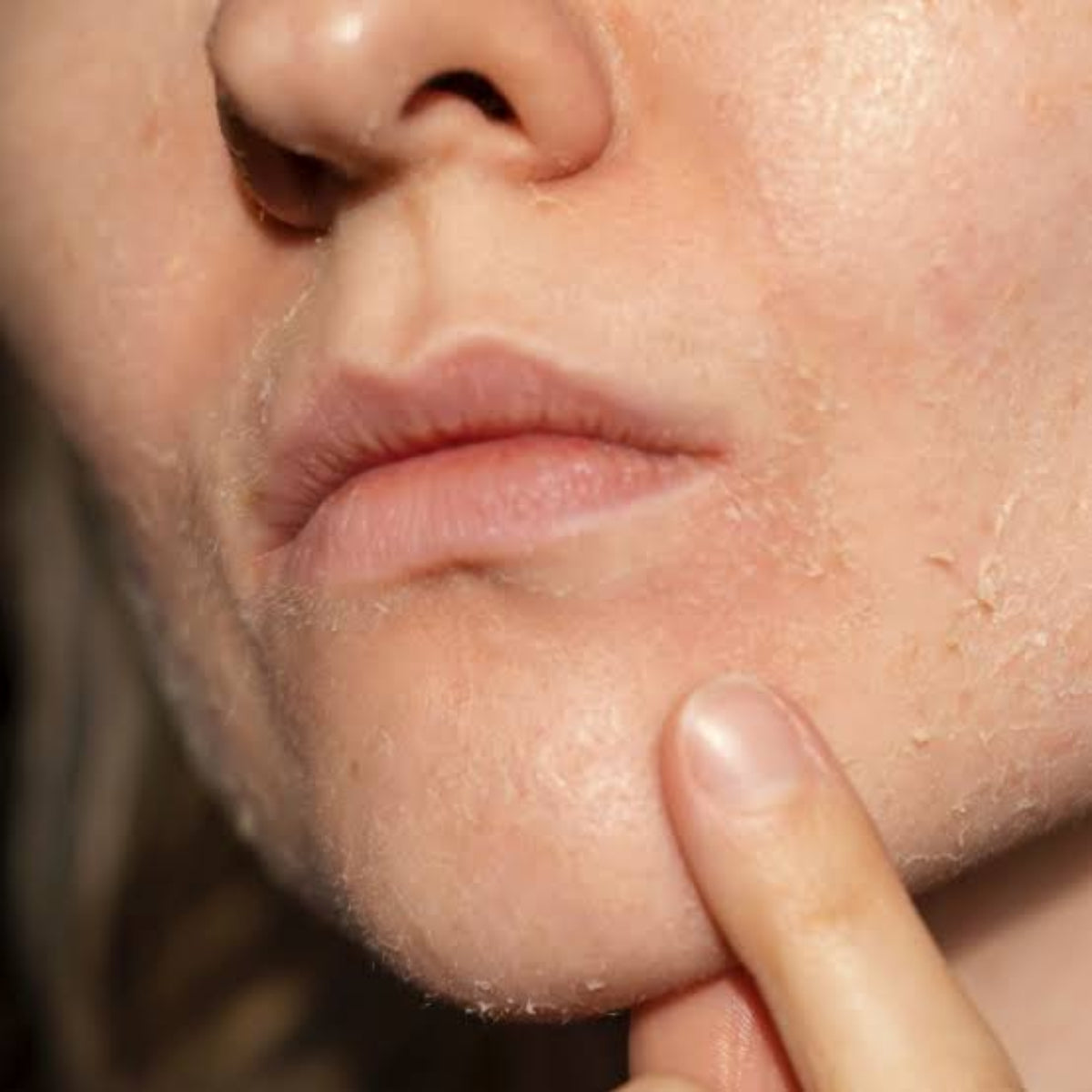
Dry skin lacks oil. It's a skin type — you're largely born with it and it doesn't change much. It feels rough, looks flaky, and worsens noticeably in winter. It needs lipids: ceramides, a richer texture, something that slows water escaping.
Dehydrated skin lacks water. It's a condition, and anyone can have it — including oily skin. It feels tight but can still look shiny, and fine lines look more obvious than usual. It needs humectants: hyaluronic acid, drawing water in and holding it.
Plenty of people have both at once. If your skin is flaky and tight, you need something for each — which is why a serum and a moisturizer work as a pair rather than as alternatives.
A quick test
Press a fingertip gently into your cheek. If fine lines appear and take a moment to settle, that's dehydration. If the skin feels rough or catches on your finger, that's dryness. Both is common.
Why Skin Loses Water in the First Place
Your skin barrier works like brickwork — cells are the bricks, and a lipid mixture holds them together as mortar. Ceramides make up roughly half that mortar.
Ceramide levels fall with age, sun exposure, hot water and over-cleansing. When they do, water escapes faster than the skin replaces it.
That's why the tight feeling comes back: the moisturizer added water, but nothing repaired the structure meant to hold it in. You're topping up a leaking container.
What to Look For in a Moisturizer for Dry Skin
1. Ceramides
The most useful single ingredient for dry skin, because it addresses the cause rather than the symptom. Replacing what's depleted is what "barrier repair" actually means.
2. A humectant — usually hyaluronic acid
Ceramides seal; humectants supply the water to seal in. Neither works well alone.
3. The right texture for your level of dryness
This is where most people go wrong in both directions — a rich cream on combination skin feels suffocating, a light lotion on very dry skin does nothing by 10am.
4. Fragrance-free, if your skin is reactive
Fragrance is among the more common causes of irritation, and dry skin has a weaker barrier to defend itself with.
What matters less than you'd think
Long ingredient lists of botanical extracts, and "natural" claims. Barrier repair is fairly well understood, and it comes down to lipids and humectants rather than novelty.
How to Apply It Properly
- Apply to slightly damp skin. Within a minute of washing, before the water evaporates. This alone makes a noticeable difference.
- Lukewarm water, never hot. Hot water strips lipids faster than any cleanser.
- Switch to a non-foaming cleanser. Foaming agents dissolve oil — useful on oily skin, counterproductive on dry. This is often a bigger upgrade than changing moisturizer.
- Twice daily is the maximum. If your skin is very dry, rinsing with water in the morning and cleansing properly at night is often better.
- Layer a humectant underneath. Hyaluronic acid on damp skin, then moisturizer to seal it.
The Hyaluronic Acid Mistake
Worth its own section, because getting this wrong makes dryness worse rather than better.
Hyaluronic acid draws water from whatever is available. On damp skin it takes the water sitting on the surface. On bone-dry skin in dry air — winter, air conditioning — it can draw from deeper layers instead.
Always apply it to slightly damp skin, and always seal it with moisturizer. Left unsealed, the water it attracts simply evaporates.
Why Winter Changes Everything
Cold air holds less moisture, and indoor heating removes more. A lotion that worked comfortably through summer often stops being enough from November onwards.
That's not the product failing — it's the conditions changing. Most people with dry skin need a richer texture for three or four months of the year and can go lighter the rest of the time.
What About Oily Skin That Feels Tight?
Common, and usually dehydration rather than dryness.
Skin short of water produces more oil to compensate — so the standard oily-skin approach of stripping cleanser, no moisturizer, mattify everything often makes shine worse over a few weeks.
Oily skin needs a moisturizer. Just a light, oil-free one.
Our Moisturizers
All three share the same ceramide and hyaluronic acid base. Only the texture differs.
| Texture | For | Price |
|---|---|---|
| Ultra Rich cream | Dry to very dry, winter | Rs. 875 |
| Daily lotion | All skin types, combination | Rs. 2,000 |
| Lightest lotion | Normal to oily | Rs. 2,000 |
For dehydration specifically, the 2% Hyaluronic Acid Serum goes underneath, on damp skin. And the Hydrating Facial Cleanser is non-foaming — often the fix people didn't realise they needed.
Frequently Asked Questions
What is the best moisturizer for dry skin in Pakistan?
A ceramide-based cream rather than a lotion, used in the evening. Dry skin is typically short of ceramides, so replacing them addresses the cause. Expect roughly Rs. 800–2,500 for a full size locally.
What's the difference between dry and dehydrated skin?
Dry skin lacks oil and is a skin type. Dehydrated skin lacks water and is a temporary condition anyone can have, including oily skin. Dry needs ceramides and richer texture; dehydrated needs hyaluronic acid.
Why does my skin feel tight right after moisturising?
Usually a depleted barrier. Adding water without repairing the lipids that hold it in means it evaporates quickly. Ceramides address that; humectants alone don't.
Can oily skin be dehydrated?
Very often. Skin that's shiny but feels tight is usually dehydrated rather than genuinely oily, and stripping it makes the oil worse.
Should hyaluronic acid go on wet or dry skin?
Slightly damp, and always sealed with moisturizer. This is the most common mistake, and getting it wrong can worsen dryness.
Do I need a different moisturizer in winter?
Most people with dry skin do. Cold air and indoor heating both pull moisture out, so a richer texture for three or four months is normal.
Does drinking water help dry skin?
Staying hydrated matters for health, but drinking more water doesn't meaningfully fix dry skin. Barrier repair happens topically.
Do I still need sunscreen with dry skin?
Yes. UV degrades the barrier further, which worsens dryness over time. Choose a hydrating SPF rather than a drying one.
General information, not medical advice. Persistent dryness, cracking or itching is worth showing to a doctor — eczema and other conditions need different treatment.
Read more: products for dry skin · what ceramides do · shop moisturizers
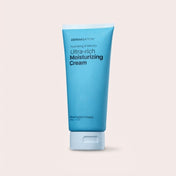
Mentioned in this guideOil Free Ultra Rich Moisturizing Cream
Rs. 875 ·Rs. 1,250
View productRs. 875 ·
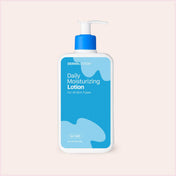
Mentioned in this guideOil Free Daily Moisturizing Lotion 237ml (For All Skin Types)
Rs. 2,000 ·Rs. 2,950
View productRs. 2,000 ·
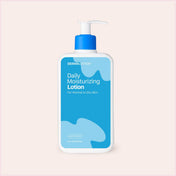
Mentioned in this guideOil Free Moisturizing Lotion 237ml (For Normal to Oily Skin)
Rs. 2,000 ·Rs. 2,950
View productRs. 2,000 ·