Niacinamide vs Vitamin C vs Retinol: Best Serum Guide

Niacinamide vs Vitamin C vs Retinol: Which Serum Do You Actually Need?
Walk into any pharmacy in Lahore or Karachi, or scroll through any skincare page online, and you'll see the same three names everywhere: niacinamide, vitamin C, and retinol. Every brand claims theirs is a "must-have." Every influencer swears by a different one. And somewhere in between, most people end up buying all three, using them randomly, and wondering why their skin is more irritated than improved.
Here's the truth: you don't need all three serums right away. Each one solves a different problem, and picking the right one first depends entirely on what your skin is dealing with today - oiliness, dullness, dark spots, or fine lines.
This guide breaks it down in plain terms, so you can stop guessing and start building a routine that actually works for Pakistani skin and weather.
A Quick Snapshot: What Each Serum Actually Does
Before going deep, here's the short version:
-
Niacinamide - calms the skin, controls oil, and strengthens the skin barrier. The safest starting point for almost everyone.
-
Vitamin C - brightens dull skin, fades early dark spots, and protects against sun and pollution damage.
-
Retinol - speeds up cell renewal, smooths texture, and treats fine lines and acne long-term. The most powerful, but also the one that needs the most patience.
None of them is "better" than the other. They're built for different jobs. The real question isn't which one wins - it's which one your skin needs first.
Niacinamide: The Gentle All-Rounder
If you're new to actives, or your skin reacts to almost everything, niacinamide is where most dermatologists suggest starting. It's a form of vitamin B3 that works quietly in the background - reducing redness, minimizing the appearance of pores, controlling excess oil, and reinforcing your skin's natural barrier.
For Pakistan's climate - hot, humid summers and dusty air in most cities - this barrier-strengthening effect matters more than people realize. A weak barrier means your skin reacts faster to heat, pollution, and sweat, which shows up as breakouts and irritation.
Best for you if:
-
You have oily or acne-prone skin
-
You deal with enlarged pores or mild dark spots
-
You're introducing actives into your routine for the first time
-
You want something safe enough to use morning and night
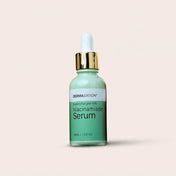
If this sounds like your skin, a good starting point is the Super Charged 10% Niacinamide Serum - formulated to control oil and even out texture without stripping the skin, which is exactly what most oily and combination skin types in Pakistan need.
Vitamin C: The Brightening Powerhouse
Vitamin C is an antioxidant, and its main job is defense and brightness. It neutralizes free radical damage from sun exposure and pollution - both of which are unavoidable in most Pakistani cities - while gradually fading dullness, uneven tone, and early pigmentation.
It's most effective when used in the morning, right before sunscreen. Together, they reinforce each other: vitamin C fights the damage that's already happening, and SPF prevents new damage from UV exposure, which is intense here for most of the year.
Best for you if:
-
Your main concern is dullness or an uneven skin tone
-
You have early sun damage or post-acne marks
-
You want visibly brighter, fresher-looking skin
-
You already wear sunscreen daily (or are ready to start)
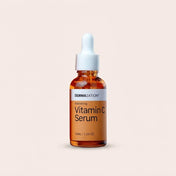
For this, the Radiating Vitamin C Serum is built to brighten and protect without the tingling or instability that cheaper vitamin C formulas are known for.
Retinol: The Long-Term Skin Renewer
Retinol is in a different category altogether. It's a vitamin A derivative that speeds up how quickly your skin sheds old cells and produces new ones. Over weeks and months, this translates into smoother texture, fewer breakouts, reduced fine lines, and a more even complexion.
It's also the most likely of the three to cause dryness, peeling, or sensitivity - especially in the first few weeks. That's normal, but it means retinol needs to be introduced slowly: a couple of nights a week at first, always followed by moisturizer, and never without daily sunscreen the next morning.
Best for you if:
-
You're noticing fine lines, uneven texture, or stubborn acne marks
-
You've already built tolerance to gentler actives
-
You're consistent with sunscreen (retinol makes skin more sun-sensitive)
-
You're looking for visible anti-aging or acne-renewal results
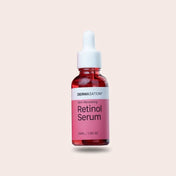
Once your skin is ready for it, the Skin Renewing Retinol Serum is formulated to deliver these results without overwhelming beginner skin.
Can You Use All Three Together?
Yes - but not all at once, and not from day one.
The safest approach is to introduce one active at a time, give your skin 4–6 weeks to adjust, and then layer in the next. A simple routine that works well for most people looks like this:
Morning: Cleanser → Vitamin C serum → Moisturizer → Sunscreen Night: Cleanser → Niacinamide serum → Retinol (2–3 nights a week to start) → Moisturizer
Niacinamide is the one exception to the "don't mix actives" rule - it plays well with both vitamin C and retinol, and can even help reduce the irritation retinol sometimes causes. That's why many people keep niacinamide as a constant while rotating vitamin C in the morning and retinol at night.
Which One Should You Buy First?
If you're still unsure, ask yourself one question: what bothers you most about your skin right now?
-
Oiliness, large pores, or breakouts → start with niacinamide
-
Dullness, dark spots, or uneven tone → start with vitamin C
-
Fine lines, texture, or long-term renewal → start with retinol (once your skin is used to actives)
There's no rush to own all three. Build your routine one active at a time, be consistent, and let your skin tell you what it needs next.
Frequently Asked Questions
Is niacinamide better than vitamin C?
Not necessarily - they solve different problems. Niacinamide calms and balances the skin, while vitamin C brightens and protects. Many people use both, just at different times or in combination.
Can I use retinol and vitamin C on the same night?
It's usually better to alternate them rather than layer them together, since both are potent actives. Vitamin C in the morning and retinol at night is the more common, skin-friendly approach.
Which serum is best for beginners?
Niacinamide. It's gentle, versatile, and unlikely to cause irritation, making it the easiest starting point before introducing stronger actives like retinol.
Is niacinamide safe for oily and acne-prone skin in Pakistan's weather?
Yes. Niacinamide helps regulate oil production and strengthen the skin barrier, which is especially useful in hot, humid conditions where oily skin tends to act up more.
Not sure where to start? Explore the full range of niacinamide, vitamin C, and retinol serums to build a routine that fits your skin.