Acne Face Wash: What It Can and Can't Do for Breakouts
In shortWhat an acne face wash can and can't do, why harsh cleansers make breakouts worse, and the routine that works alongside it.
An acne face wash will not clear your acne on its own. That's not a criticism of any particular product — it's a limit of the format, and knowing it changes what you buy and what you expect.
What a Face Wash Can and Can't Do
A cleanser is on your skin for about sixty seconds, then it's rinsed away. That's genuinely useful for some things and useless for others.
What it does well:
- Removes the oil, sweat, sunscreen and pollution sitting on the surface
- Clears blackheads and congestion, if it contains salicylic acid
- Prevents pores from re-blocking between treatment steps
- Reduces surface bacteria
What it doesn't do:
- Treat inflamed spots that have already formed
- Regulate how much oil your skin produces
- Fade the dark marks left behind afterwards
- Do anything meaningful for cystic acne
Which is why people who buy an acne face wash and nothing else usually see partial improvement and then plateau.
Why Most Acne Washes Make Things Worse
The instinct with oily, breakout-prone skin is to strip it. Foaming hard, washing three or four times a day, chasing the squeaky-clean feeling.
That feeling is the problem. It means the skin's lipids have been removed — and skin that's been stripped produces more oil to compensate. More oil means more congestion, which means more breakouts.
So the cycle looks like effort and behaves like sabotage: wash harder, get oilier, wash harder still.
Gentle isn't the weaker option here. It's the correct one. What you want is a real active at an effective concentration in a base that doesn't strip.
What to Look For
Salicylic acid at 2%
The one active worth prioritising in a cleanser. It's oil-soluble, so it dissolves into sebum and reaches inside the pore where blackheads form — something no water-soluble acid can do.
2% is the maximum available over the counter. Below 0.5% does very little, and plenty of products say "contains salicylic acid" without stating a number at all.
Non-comedogenic
Formulated without ingredients known to block pores. Worth checking on a product you're using twice daily.
A gentle surfactant base
Harder to judge from a label, but the practical test is simple: if your skin feels tight five minutes after rinsing, the cleanser is too harsh regardless of what's in it.
Fragrance-free, if you're reactive
Acne-prone skin is often already inflamed. Fragrance adds a variable you don't need.
The Routine That Actually Works
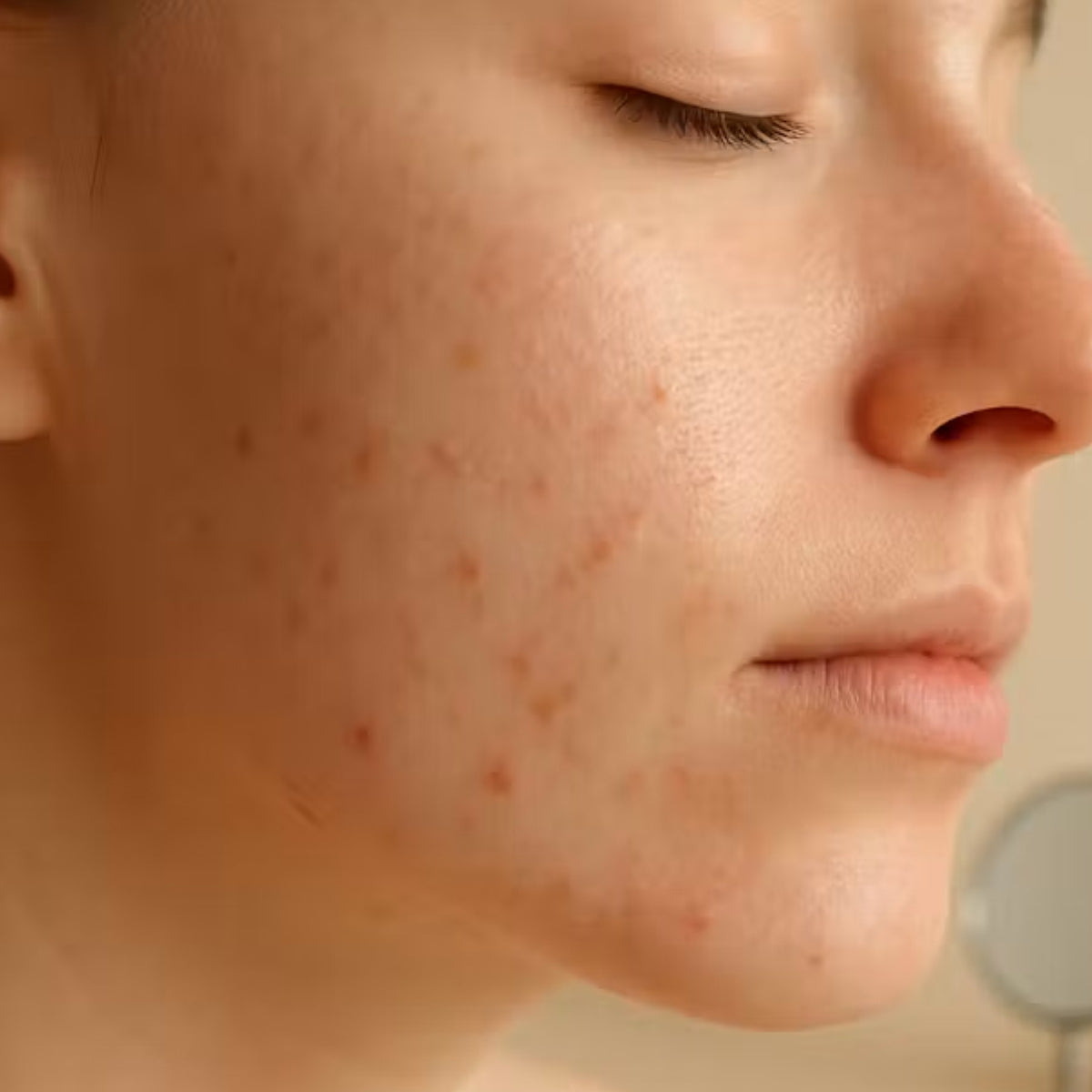
Acne isn't one problem. Oil collects inside the pore, dead skin traps it there, and the resulting inflammation leaves marks lasting months. A cleanser addresses the first part.
Morning: cleanse → niacinamide → moisturizer → SPF
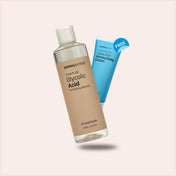
2–4 evenings a week: cleanse → glycolic acid toner → moisturizer
Other evenings: cleanse → moisturizer
Three products, three jobs: salicylic acid inside the pore, glycolic acid on the surface, niacinamide on oil production and the marks left behind.
Add one at a time. Introducing three actives at once is the most common way people irritate their skin and give up.
Five Things That Make Acne Worse
- Over-washing. Twice daily is the maximum. Three or four times triggers rebound oil.
- Skipping moisturizer. Dehydrated skin produces more oil. This is the single most common mistake with acne-prone skin.
- Scrubbing. Physical exfoliation over inflamed spots spreads bacteria and worsens inflammation.
- Picking. Turns a spot that would have cleared in a week into a mark that lasts months, or a scar that's permanent.
- Skipping sunscreen. UV darkens post-acne marks significantly and makes them take far longer to fade.
Expect a Rough Patch Around Week Three
When you introduce an exfoliating acid, cell turnover speeds up — which brings congestion that was already forming to the surface sooner than it would have arrived on its own.
That's purging. It typically settles by week six.
Purging happens where you normally break out and improves after four to six weeks. Irritation appears in new places, comes with redness or stinging, and keeps getting worse. If things are still deteriorating past week six, cut back rather than pushing on.
This is the point most people quit. Knowing it's coming is most of the battle.
When a Face Wash Isn't Enough
Some acne needs prescription treatment, and no over-the-counter routine will substitute:
- Cystic or nodular acne — deep, painful lumps under the skin
- Acne that scars — pitted or raised marks rather than flat discolouration
- Severe acne across the face, chest or back
- Acne that hasn't improved after three months of a consistent routine
Seeing a dermatologist earlier rather than later matters here, because scarring is permanent and preventing it is far easier than treating it.
What We Make
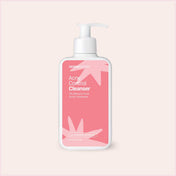
The Acne Control Cleanser is 2% salicylic acid — the full over-the-counter concentration — in a base gentle enough for twice-daily use. Rs. 2,000 for 237ml.
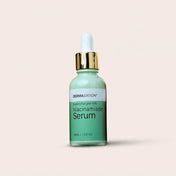
For the full routine, the Acne Treatment Bundle pairs it with the glycolic acid toner and 10% niacinamide serum at Rs. 6,037 — pore, surface and oil production covered together.
Frequently Asked Questions
What is the best acne face wash in Pakistan?
One with 2% salicylic acid in a gentle base, used twice daily. Concentration and gentleness both matter — a harsh acne wash triggers more oil and makes breakouts worse over a few weeks.
Will an acne face wash clear my acne?
Partially. It clears blackheads and surface congestion, but it won't regulate oil production or treat inflamed spots. Most people need a leave-on treatment alongside it.
How often should I wash my face with acne?
Twice a day, maximum. Over-washing is one of the most common reasons acne gets worse despite genuine effort.
Do I need moisturizer if I have acne?
Yes. Stripped skin produces more oil to compensate. Use a non-comedogenic one after every cleanse.
What is the price of acne face wash in Pakistan?
Locally made options run roughly Rs. 500–2,500 for a full size. Imported cost considerably more for the same active at the same concentration.
Does an acne face wash help with dark marks?
Not much on its own. Post-acne marks are pigment in surface cells — glycolic acid and niacinamide work on those, with daily sunscreen.
Can I use a face wash and a toner together?
Yes. The cleanser rinses off, so it doesn't conflict with a leave-on acid applied afterwards.
Is it suitable for cystic acne?
Limited. Cystic acne forms deep in the skin and usually needs prescription treatment. Worth seeing a dermatologist rather than working through it over the counter.
General information, not medical advice. Persistent, severe or scarring acne should be assessed by a doctor.
Read more: acne products · salicylic acid explained · shop face wash